Quebec City Itinerary: How To Split 1, 2 Or 3 Days
Most visitors give Quebec City two days. Here is how to spend them well, and exactly what a third day adds.
 Written with Jean-Pierre Tremblay, Quebec City tour guide & heritage specialist
How many days do you need?
Two full days covers the essentials: Old Quebec's Upper and Lower Towns on day one, the Plains of Abraham and the Citadelle on day two. A third day adds a Montmorency Falls half day at a humane pace. One day works only if you stay inside the walls.
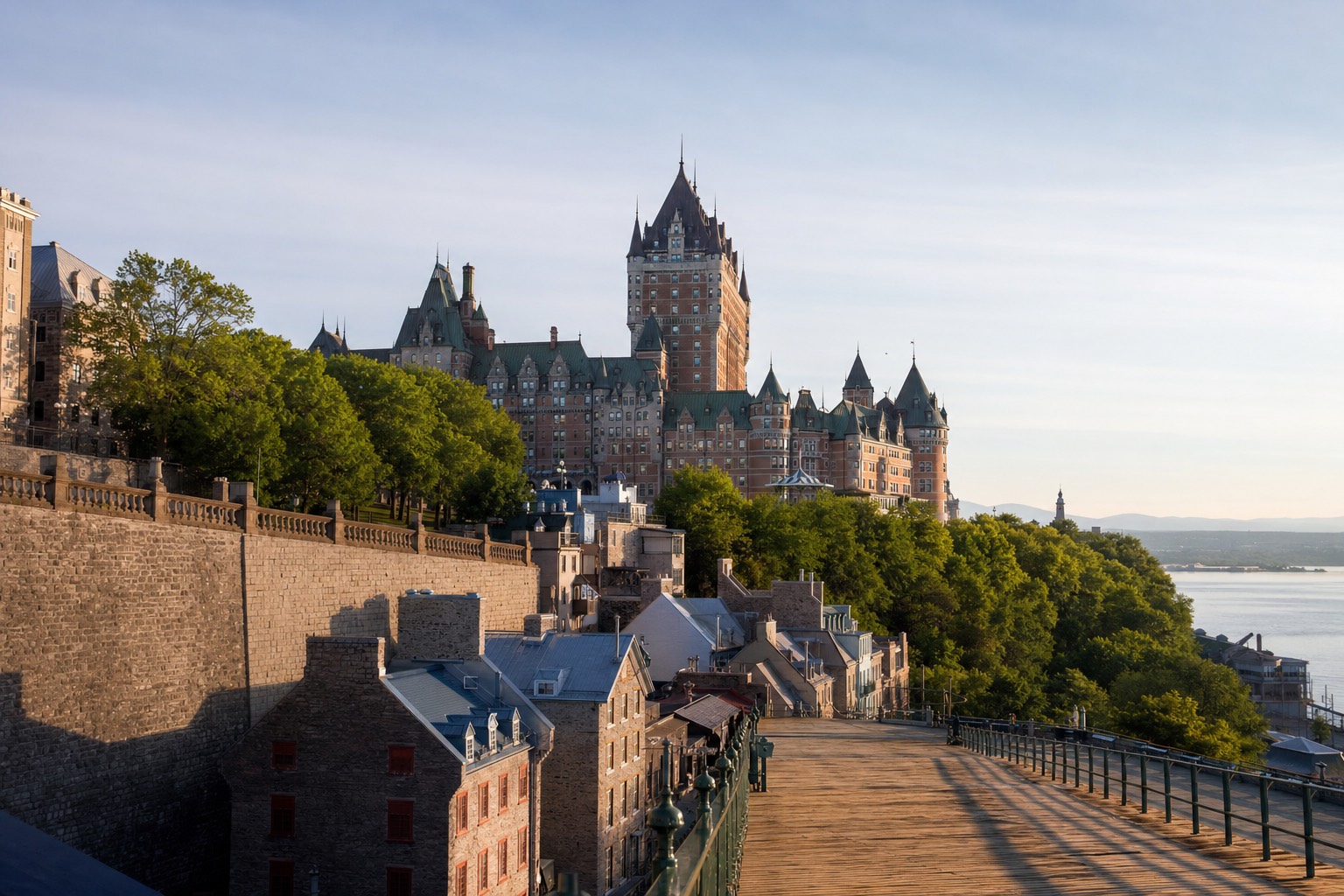
At eight in the morning, Dufferin Terrace belongs to the gulls and a couple of joggers. The boards knock under your shoes, the river slides past far below, and the copper roofs of the Château Frontenac catch the first flat light. I have started my tours on that boardwalk since 2022, and the question I hear before any other is always the same: how many days do we actually need here?
TL;DR: One day gets you the walled town and nothing else. Two days adds the Plains of Abraham, the Citadelle and the river, and that is what most visitors book. Three days folds in Montmorency Falls and slows the whole trip down to the pace this city deserves.
How Many Days Do You Need In Quebec City?
Two full days is the realistic minimum for a first visit: one for Old Quebec's Upper and Lower Towns, one for the Plains of Abraham, the Citadelle and the St. Lawrence. Three days is the comfortable number, because it adds Montmorency Falls without cutting the city short. A single day works only if you never leave the walls.
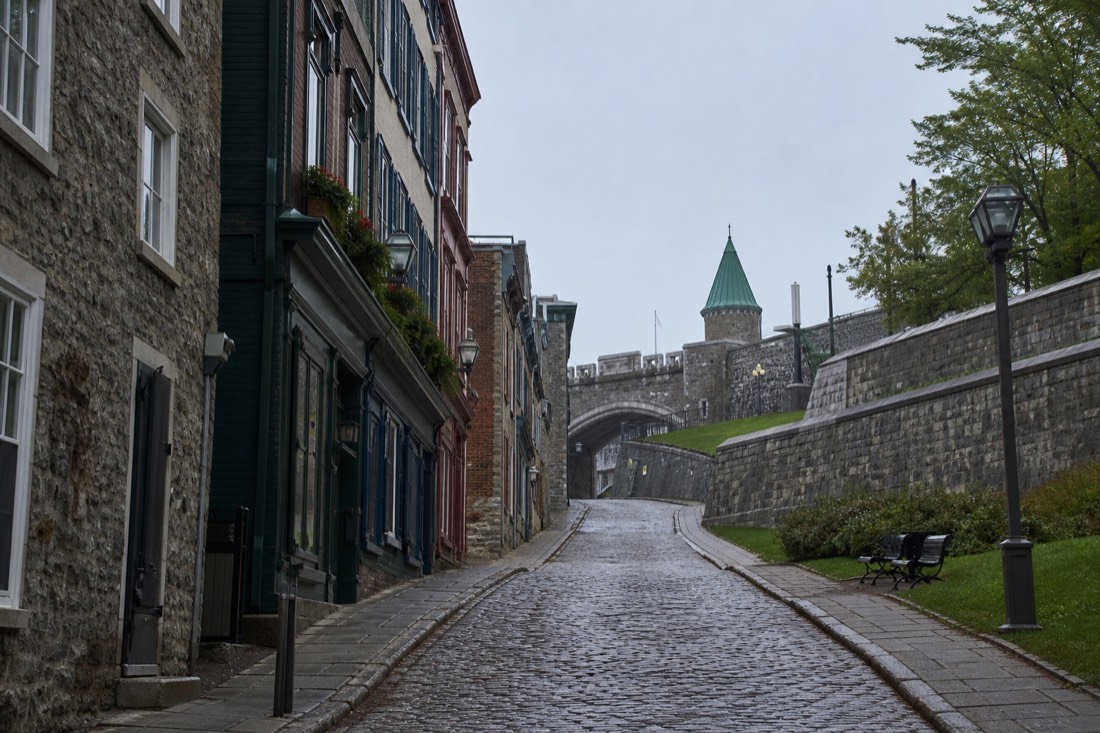
The old town is compact in a way that surprises people arriving from Montreal or Toronto. You can cross it on foot in twenty minutes if you refuse to stop, which nobody manages. The city's own tourism office publishes suggested itineraries running from a single day to a full week, which tells you something: the town scales to whatever time you give it. My honest read, after four seasons of guiding, is that the sweet spot sits between two and three days.
| Days | Best for | You cover | You give up |
|---|---|---|---|
| 1 | Cruise stopovers, road trips passing through | Dufferin Terrace, the walls, Place Royale, Petit Champlain | The Plains, the Citadelle, every day trip |
| 2 | First-time weekenders | All of the above plus the Plains of Abraham, the Citadelle and a river cruise | Montmorency Falls, Île d'Orléans |
| 3 | Most first visits | The full city plan plus a Montmorency half day | Tadoussac whales, deep museum time |
Is 2 Days Enough For Quebec City?
Yes, for the historic core. Two days lets you walk the walls, ride the funicular down to Place Royale and Petit Champlain, cover the Plains of Abraham and the Citadelle, and eat well twice. What two days cannot absorb is a trip out to Montmorency Falls or Île d'Orléans without rushing something.
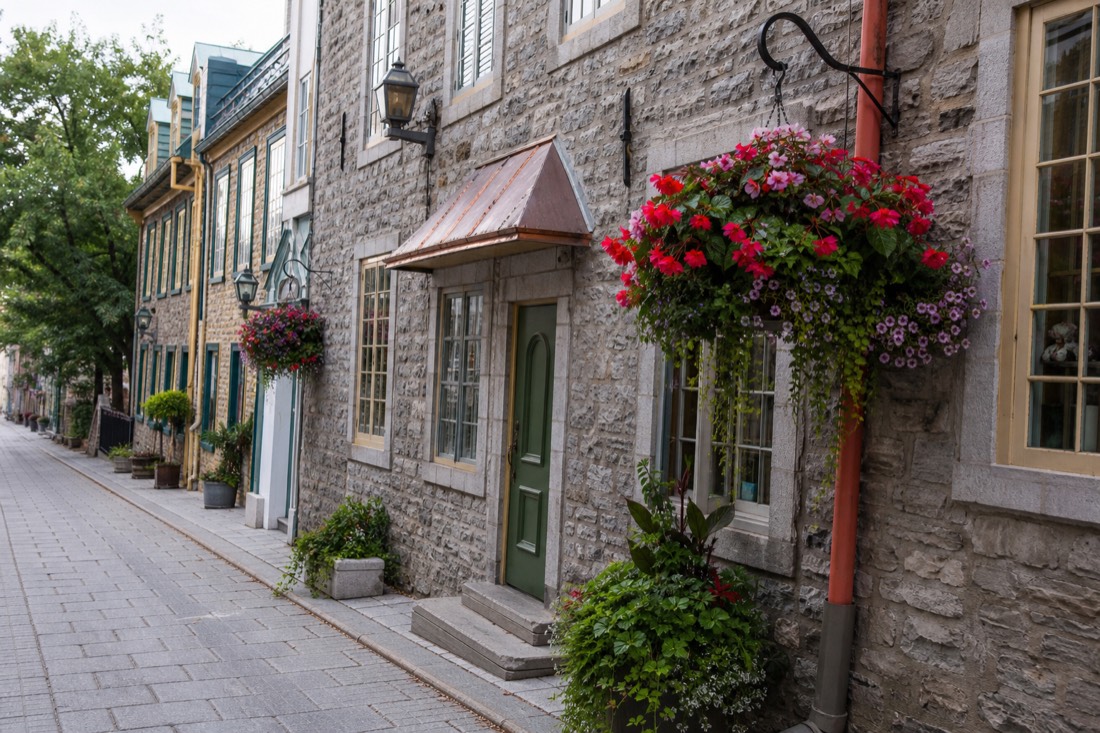
Two days is what most of my guests book, and it works because the sights cluster so tightly. Upper Town, Lower Town, the Terrace and the port are one continuous walk. Day two pushes just outside the walls to the Plains and the Citadelle, then puts you on the water in the afternoon. Nothing needs a car.
The catch is your legs. This is a hill town wearing a UNESCO plaque, and the distance between "one more staircase" and "taxi, please" is shorter than visitors expect. Build in a long lunch. If you want a fuller menu of stops to trade in and out, the things to do in Quebec City list ranks them the way locals would.
Is 3 Days Enough For Quebec City?
Three days is enough for almost everyone. You get the full two-day city plan plus a half day at Montmorency Falls, and the pace drops from brisk to pleasant. Only travellers chasing Tadoussac whales, an Île d'Orléans cycling loop and serious museum time need a fourth day.
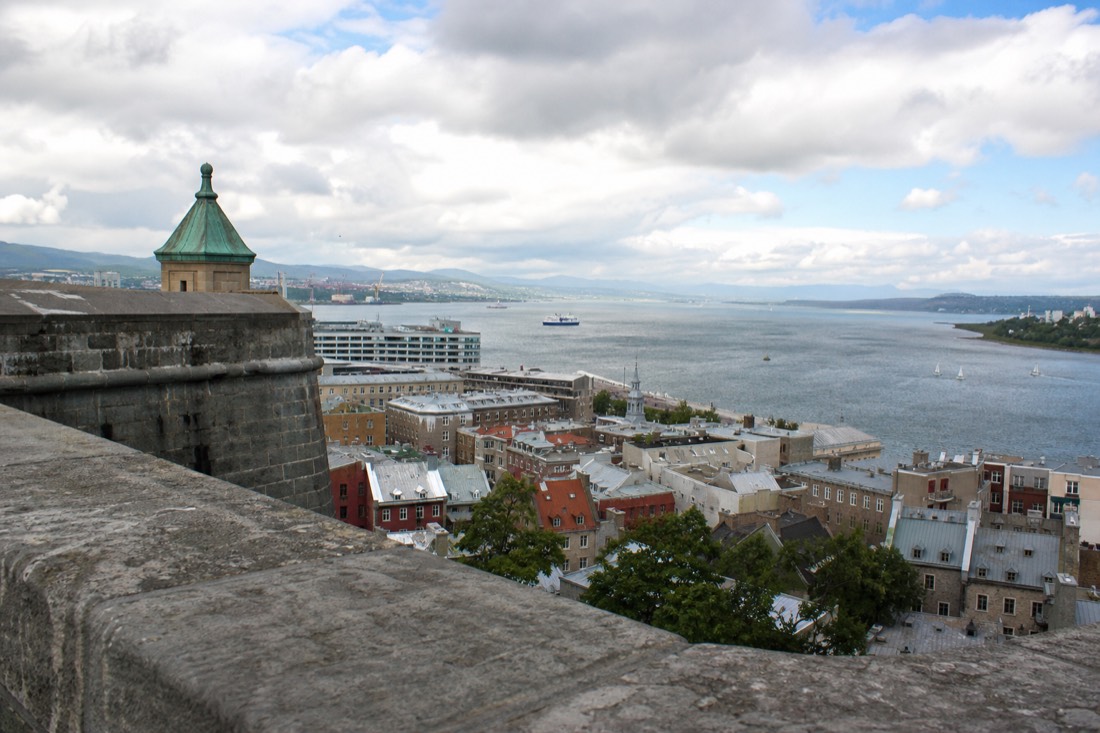
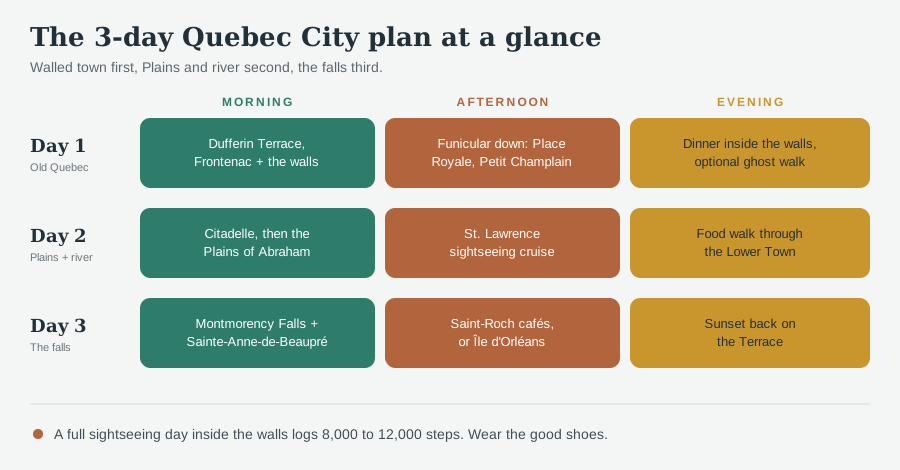
Here is the three-day plan I sketch on paper napkins for guests, morning to evening:
| Day | Morning | Afternoon | Evening |
|---|---|---|---|
| 1 | Dufferin Terrace, Château Frontenac, walk the walls | Funicular down to Place Royale and Petit Champlain | Dinner inside the walls, optional ghost walk |
| 2 | Citadelle, then the Plains of Abraham | St. Lawrence sightseeing cruise | Food walk through the Lower Town |
| 3 | Montmorency Falls half day with Sainte-Anne-de-Beaupré | Saint-Roch cafés, or Île d'Orléans if you have wheels | Sunset back on the Terrace |
One honesty note, because I watch people get this wrong every summer: the whale zodiacs do not leave from the city. They depart from Tadoussac, about three hours northeast, so whales are a full-day commitment that belongs to a four-day trip or longer. Timing matters too. The Terrace in February and the Terrace in July are different planets, and the best time to visit Quebec City guide breaks down which months reward which itinerary.
What Should Day 1 Cover In Old Quebec?
Spend day one entirely inside the historic district. Take Dufferin Terrace and the Château Frontenac at opening, walk the fortification walls before the crowds arrive, then drop to Lower Town by funicular or the Casse-Cou stairs for Place Royale and the Petit Champlain quarter. No transit, no tickets, just streets.
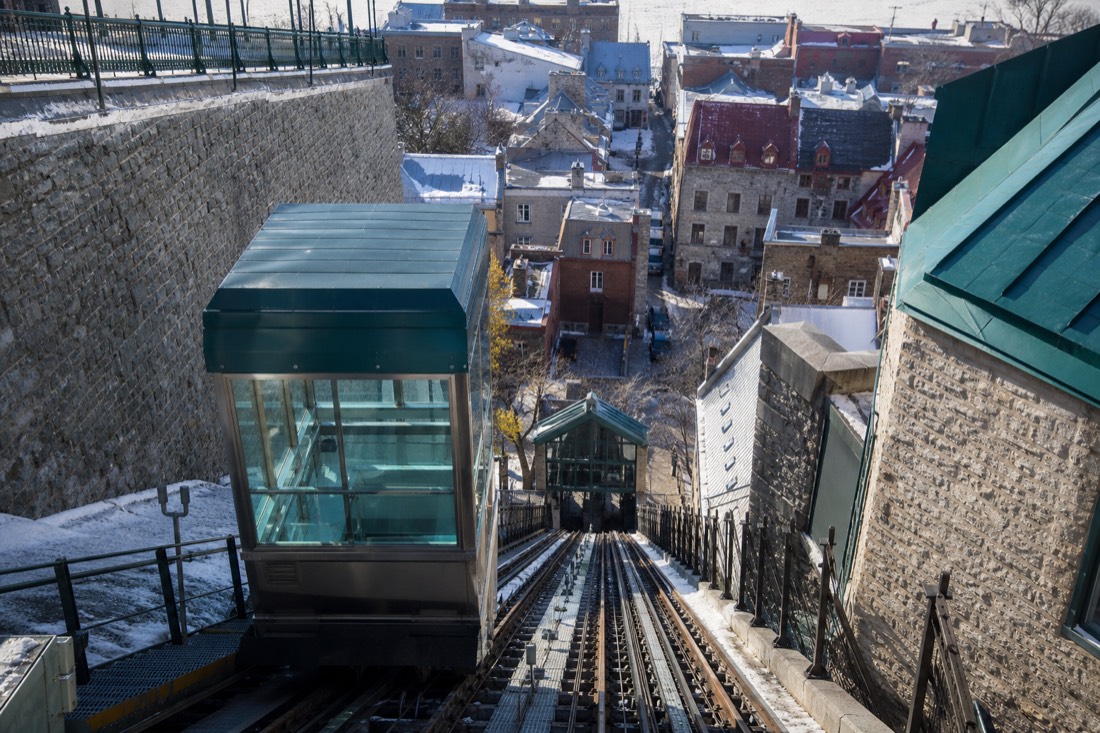
Start on the boardwalk while the light is still low and the Frontenac, which carries 4.7 stars across some 27,000 Google reviews of its own, has the sky to itself. From there the wall circuit pulls you past cannon emplacements and gates; this is the only walled city north of Mexico, and the ramparts are the one sight you can touch for free all day. Come down the cliff the fun way. The funicular drops you in a glass car straight onto Petit Champlain, or you can take the Casse-Cou stairs, which have been breaking momentum, and the occasional ankle, since the 1600s. Place Royale, where Champlain planted the colony in 1608, sits one block over.
Budget your time honestly. These are the numbers I give guests:
| Stop | Time to give it | Guide note |
|---|---|---|
| Dufferin Terrace | 30 to 45 min | Before 9 a.m. you share it with gulls, not tour groups |
| Fortification walls | 45 min | Walk the top, not just through the gates |
| Funicular or Casse-Cou stairs | 10 min | Glass car down, stairs back up if you feel brave |
| Place Royale | 30 min | Smallest square, oldest stones |
| Petit Champlain | 45 to 60 min | Longer if the shops catch you |
| Plains of Abraham | 1.5 to 2 h | Day two, bring water |
| Citadelle | 1 to 2 h | Day two, star-shaped and still imposing |
| Montmorency Falls | Half day with travel | Day three |
If you would rather have the stories told to you than read off plaques, the crowd favourite on our walking tours page is the two-hour Classique circuit through both towns with the funicular ride folded in. You can check live availability & prices on Viator, where it holds 4.9 stars across 1,538 reviews from about $41.
What Should Day 2 In Quebec City Cover?
Give day two to the fortifications and the river. The Citadelle and the Plains of Abraham fill the morning just outside the walls, a St. Lawrence sightseeing cruise takes the afternoon, and an evening food walk through Lower Town closes it out. This is the day that shows you why the city sits where it sits.
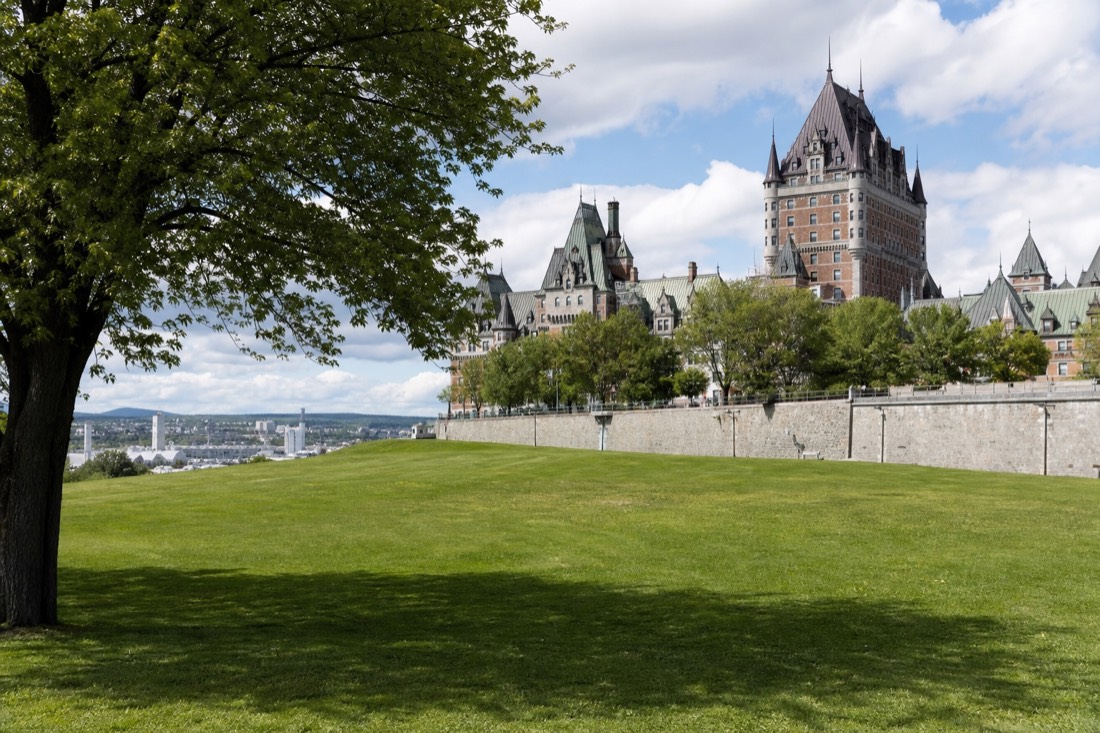
The Citadelle is a working star fort crouched on the highest point of Cap Diamant, and the cannon still pointing over the narrows explain three centuries of history faster than any plaque. Give it up to two hours, then let the Plains of Abraham decompress you. The battlefield of 1759 is now an enormous rolling park where the city picnics, and crossing it on foot is the cheapest great experience in town.
For the afternoon, get on the water. I guide streets, not ships, but the numbers speak plainly: reviewers score AML's guided sightseeing cruise 4.4 across more than 3,200 reviews, sailings run about an hour and a half from $46, and the view of the Frontenac stacked above Lower Town is one you cannot get on land. Options and alternatives live on the river cruises page. In the evening, operators run food circuits through the old town; the best known carries 4.9 stars across roughly 1,600 reviews and strings together more than ten tastings, which doubles neatly as dinner. If you want the deeper story of what to eat here, including the two tables Anthony Bourdain actually filmed at, that lives in the Bourdain piece.
What Does A 2 Or 3 Day Quebec City Trip Actually Cost?
Sights are cheap here because the city itself is the attraction. Two days on foot with one Citadelle ticket at $22 CAD and a couple of funicular rides runs about $35 per adult. Day three at Montmorency adds roughly $22 CAD for park access and the cable car. Tours and meals sit on top.
The walls, Dufferin Terrace, Place Royale, Petit Champlain and the lawns of the Plains of Abraham are all free, all day, in every season. That is unusual for a UNESCO site and it changes the shape of a budget: the ticketed items on a standard two or three day plan are few enough to list on one hand. Where the money goes instead is transport, guided time and food.
| Line item | What it costs | The detail |
|---|---|---|
| Walking the walls, the Terrace and both towns | $0 | Free every day of the year |
| Funicular, one way | $6 to $7, cash only | Fare moves, so confirm at the top station |
| Citadelle, adult admission 2026 | $22 CAD | Carries a 60-minute guided tour and the Royal 22e Régiment Museum |
| Plains of Abraham, walking the park | $0 | Museum activities are ticketed separately |
| Montmorency Falls, adult access | $6.95 CAD | Fee schedule valid May 11 to November 1, 2026 |
| Montmorency cable car | $14.95 CAD | 2026-2027 season price |
| Two-hour guided walking tour | From $41 USD | 4.9 across 1,538 Viator reviews |
| River sightseeing cruise, about 1.5 h | From $46 | 4.4 across more than 3,200 reviews |
| Half-day falls plus Sainte-Anne-de-Beaupré | From $73 USD | 4.2 across 2,909 reviews, driving handled |
| Parking inside the walls | $2 per 20 min, capped at $21.50 a day | Rates set through March 2027 |
| Food, drink and beds | Varies | No published city average I would repeat |
Two lines on that list deserve a comment. Parking is the one that stings, because the old town was laid out for carts and the lots inside the walls know it. Leave the car where you sleep. And the meal line stays blank on purpose: menu prices here swing by season and by block, so the where to eat guide hands you a tiered ladder anchored to real published prices instead of a made-up average. If you want the full transport picture before you commit to a base, getting around Quebec City has the funicular, bus and parking detail in one place.
How Much Walking Does Each Day Of This Itinerary Involve?
Plan on 8,000 to 12,000 steps for a full sightseeing day inside the walls. The historic district is only 1.35 square kilometres, so distance is not the problem. The cliff is. Day one climbs and descends constantly, day two is flat parkland, and day three is mostly a coach seat.
Guests underestimate this every summer, and it is never the kilometres that catch them. It is the vertical. Old Quebec stacks two towns on top of each other, and the day-one loop crosses between them at least twice, once by the 59 steps of the Casse-Cou or the funicular beside it, once on the climb back from the Old Port. Cobblestones do the rest. Even the level stretches roll underfoot, which tires legs faster than a smooth pavement of the same length.
Day two reads harder on paper and is easier in practice. The Citadelle sits on 37 acres of star-shaped enclosure and the Plains of Abraham runs to about 103 hectares, but both are broadly flat once you are up there, and the cruise takes the afternoon off your feet entirely. Day three barely counts as walking at all.
| Day | The terrain | My walking allowance | Where the effort lands |
|---|---|---|---|
| 1, Upper and Lower Town | Cobbles, the 430 m boardwalk, 59 steps down, a climb back | 8,000 to 12,000 steps | The two cliff crossings, not the distance |
| 2, Citadelle and the Plains | Grass and gravel, 37-acre fort, roughly 103 hectares of park | 6,000 to 10,000 steps | Standing time on the guided fort tour |
| 3, Montmorency half day | Coach seat, then park paths and viewpoints | 3,000 to 6,000 steps | The stairs and bridge at the falls, if you take them |
| Rest day or shopping | 0.26 km of rue du Petit-Champlain, taken slowly | Under 5,000 steps | Nothing, which is the point |
Those step ranges are planning allowances from four seasons of watching guests wilt, not a survey. Treat them as a reason to book the long lunch.
How Does This Itinerary Change In Winter?
The plan holds, the pace does not. January averages a high of -8 °C and a low of -18 °C with 73 cm of snow, so outdoor stops shorten and indoor gaps lengthen. Montmorency stays open year-round, Dufferin Terrace grows a toboggan run, and February brings Carnival.
Winter here is not a lesser version of summer. It is the season the city was built for, and the two-day core survives it intact, just in shorter bursts. What changes is the ratio: forty minutes outside, twenty inside a café, repeat. Ice on the Casse-Cou moves every descent to the funicular from roughly December to March, and the wall walk becomes a shorter, sunnier stretch rather than the full circuit.
The calendar also stops being neutral. Carnival week and the Christmas market weeks fill the old town, push hotel rates up and make restaurant tables scarce, all of which matters more to a two-day trip than to a five-day one. The Quebec City in winter guide covers boots, traction and what stays open when the temperature drops.
| Window | The conditions | What it does to the plan |
|---|---|---|
| January | -8 °C by day, -18 °C at night, 73 cm of snow | Shorten every outdoor stop, budget café time, funicular over stairs |
| February | -6 °C to -16 °C, another 63 cm of snow | Carnival runs February 5 to 14 in 2027, so book early and eat early |
| Hôtel de Glace season | January 4 to March 13 for 2027, day visits from $34.99 CAD | A genuine half-day addition that only exists in winter |
| Dufferin Terrace toboggan run | $5 CAD per person, paid on site | Twenty minutes, and the best souvenir of a cold day one |
| Late November to December | German Christmas Market, November 19 to December 23, 2026 | Five free sites and 125 exhibitors inside the old town |
| Late September into early October | Fall colour at its peak in and around the city | The quiet alternative: same plan, better light, thinner crowds |
Is Montmorency Falls Worth A Half Day On Day 3?
Yes. The falls hold 4.7 stars across roughly 37,000 Google reviews, more than any single sight inside the walls, and a half-day tour pairs them with the basilica at Sainte-Anne-de-Beaupré while still leaving your afternoon free. If you have only two days, this is the piece you sacrifice.
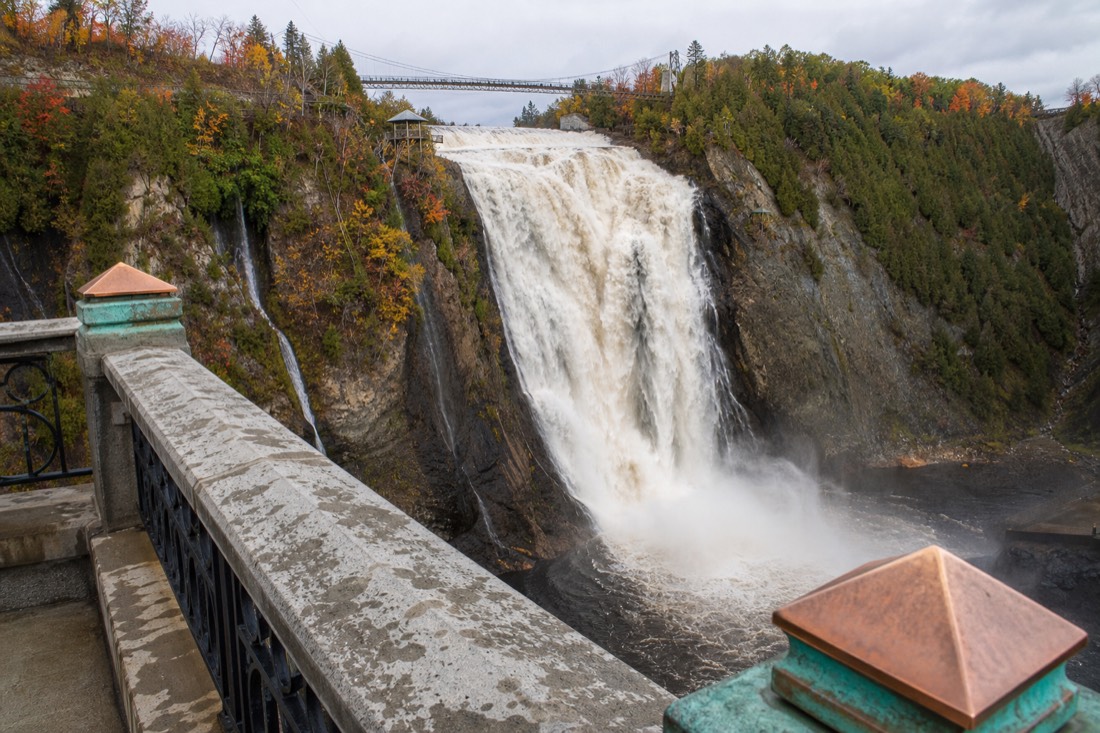
Montmorency sits just outside the city, close enough that skipping it on a three-day trip feels like a small crime. The park is run by Sépaq, and the official Parc de la Chute-Montmorency site covers trails, the suspension bridge and the cable car; the cable car's current price is on the listing. Reviewers rate the cable car experience 4.6 across more than 2,500 bookings.
The classic way to do it without a car is the half-day coach combo: falls plus Sainte-Anne-de-Beaupré, rated 4.2 across 2,909 reviews at about $73. Departures and alternatives, including e-bike routes along the river, are collected on the Montmorency Falls tours page. If the falls whet your appetite for the countryside, the bridge to Île d'Orléans sits within sight of the viewpoint and the wider region rewards a slower loop; the day trips from Quebec City guide maps what fits in a morning versus a full day.
However you split it, resist the urge to cram. This city was built for walking slowly, stopping often, and eating more than you planned. Give it the third day if you can. Your feet will complain and the rest of you will not.
Your Next Step
Choose Your Quebec Experience
General recommendation, before you add preferences. Confirm dates and participation requirements with the operator.
Have your travel date in mind? Connect Place Royale, Petit Champlain and the upper town with a licensed guide and an included funicular ride. Check the departure before arranging the rest of your day.
2 hours; meet at 112 Rue Saint-Paul and finish near City Hall. Hotel pickup is excluded.
Departure schedule from Viator; final availability and price are confirmed on Viator.
Compare Options And Fit Your Plans
Connect Place Royale, Petit Champlain and the upper town with a licensed guide and an included funicular ride. 2 hours; meet at 112 Rue Saint-Paul and finish near City Hall. Hotel pickup is excluded.
See the Château Frontenac and riverside landmarks from the St. Lawrence with bilingual commentary. 90-minute sightseeing cruise from Quebec City. Food, drinks and parking are extra; this is not whale watching.
Combine the falls, Sainte-Anne-de-Beaupré and a short island visit with transport from Old Quebec. Allow 5 hours 15 minutes using the current duration listing. The itinerary lists a 45-minute falls stop; do not plan a full independent park visit.
Enter the fortress with a guided tour and access to the Royal 22e Régiment museum. The ticket covers the fortress visit and museum. Confirm the language, guided departure and access requirements on the listing. Allow three hours for arrival, the guided visit and museum time. This is a planning allowance, not a fixed ticket duration.
Explore the snowy forest with a guide, snowshoe equipment, round-trip transport and lunch included. 6 hours overall, including the journey. This is an active winter excursion; check the conditions and participation requirements.
Affiliate links: we may earn a commission at no extra cost to you.